How Wide Should a Driveway Be in New Jersey?
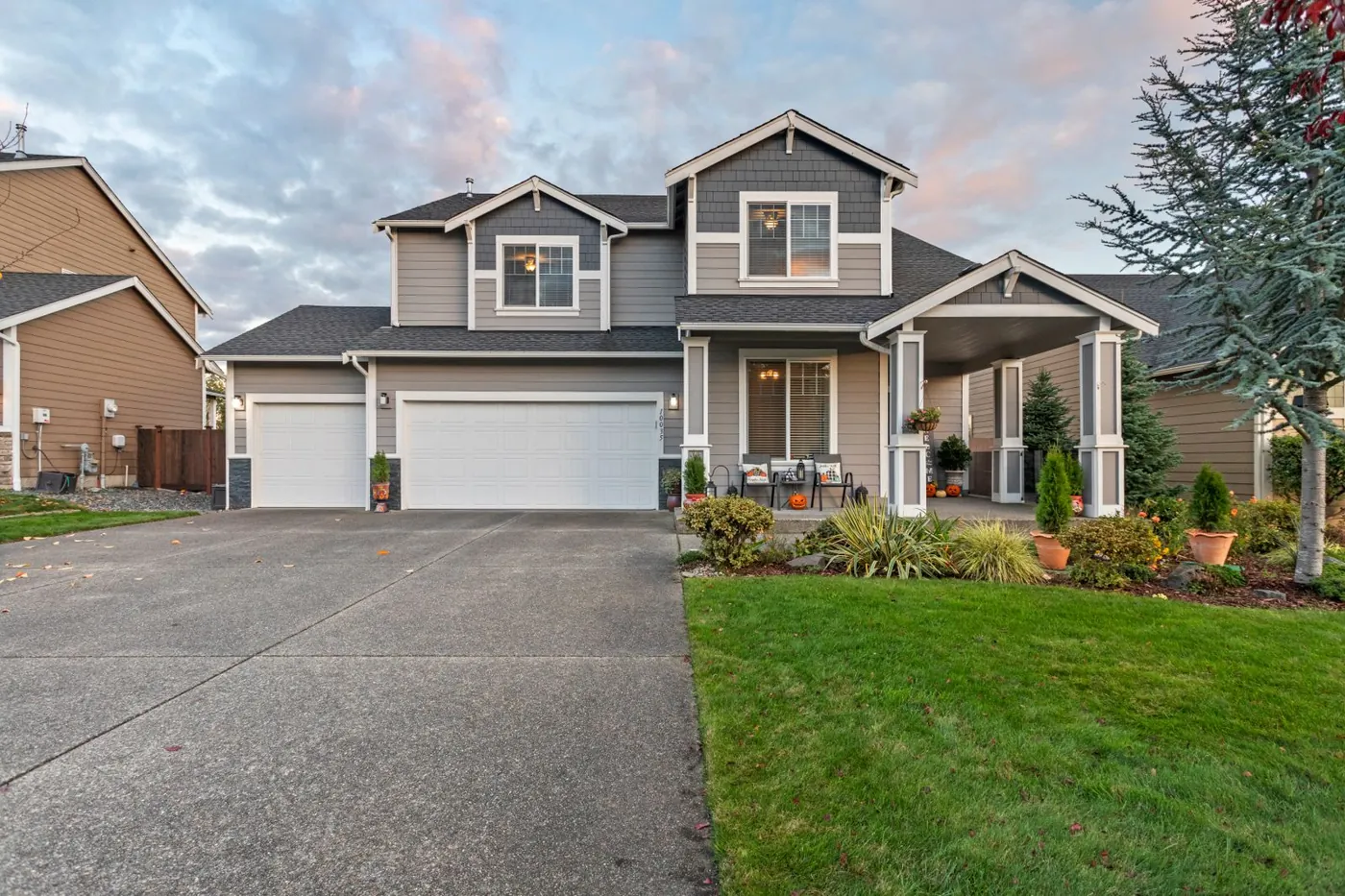
A driveway for one car should be at least 10 feet wide, the minimum in the New Jersey Asphalt Pavement Association's design guide. Two cars side by side need at least 18 feet, because New Jersey's site standards size each parking space at 9 feet wide. For a two-car garage, plan on 20 feet: that is the width the same standards require before they count a two-car garage and its driveway as 3.5 parking spaces. The most you may pave is set by your town. In the three codes read for this guide, the caps run from 12 to 30 feet, depending on the garage and the lot.
The short answer
- One car: at least 10 feet.
- Two cars side by side: at least 18 feet. New Jersey's site standards use 20 feet for a two-car garage driveway.
- The most your town allows: check its code. Nutley, Teaneck and East Hanover each set a different number.
Standard Widths From New Jersey's Own Rules
Each figure below comes from a New Jersey document, linked so you can check it.
On a phone, swipe the table sideways to see every column.
| What | Width | Where it comes from |
|---|---|---|
| Driveway for one car | At least 10 ft of pavement | New Jersey Asphalt Pavement Association design guide, Residential Drives (NJAPA design guide) |
| One off-street parking space | 9 ft wide by 18 ft long | New Jersey Residential Site Improvement Standards, parking space size (N.J.A.C. 5:21-4.15) |
| Two cars parked side by side | 18 ft (two 9 ft spaces) | Arithmetic on the 9 ft space above (N.J.A.C. 5:21-4.15) |
| Two-car garage and driveway counted as 3.5 parking spaces | At least 20 ft wide for at least 18 ft of length | How the same standards count garage and driveway parking (N.J.A.C. 5:21-4.14(d)) |
| Home driveway onto a State highway | 8 to 26 ft | NJDOT State Highway Access Management Code, residential driveways (N.J.A.C. 16:47-3.8(e)) |
- The Residential Site Improvement Standards are the statewide rules for residential developments. They are a useful yardstick for an existing house, but they do not cap the width of your driveway.
- The same standards count a one-car garage and driveway as 2.0 parking spaces when the driveway is at least 18 feet long between the garage door and the right-of-way.
- The New Jersey asphalt guide also sets a minimum radius of 10 feet where a driveway meets the street at a right angle.
One Car: Why 10 Feet Is the Floor
A parking space in New Jersey's site standards is 9 feet wide. A 10 foot driveway gives that space plus one foot, which is why the asphalt association calls 10 feet a minimum, not a target. If you open car doors on the driveway or walk beside the car to the house, a wider single lane is easier to use. Check your town's cap before you go wider: Teaneck allows up to 12 feet to a one-car garage or a single parking space.
Two Cars: 18 Feet at Least, 20 Feet to Match the State's Count
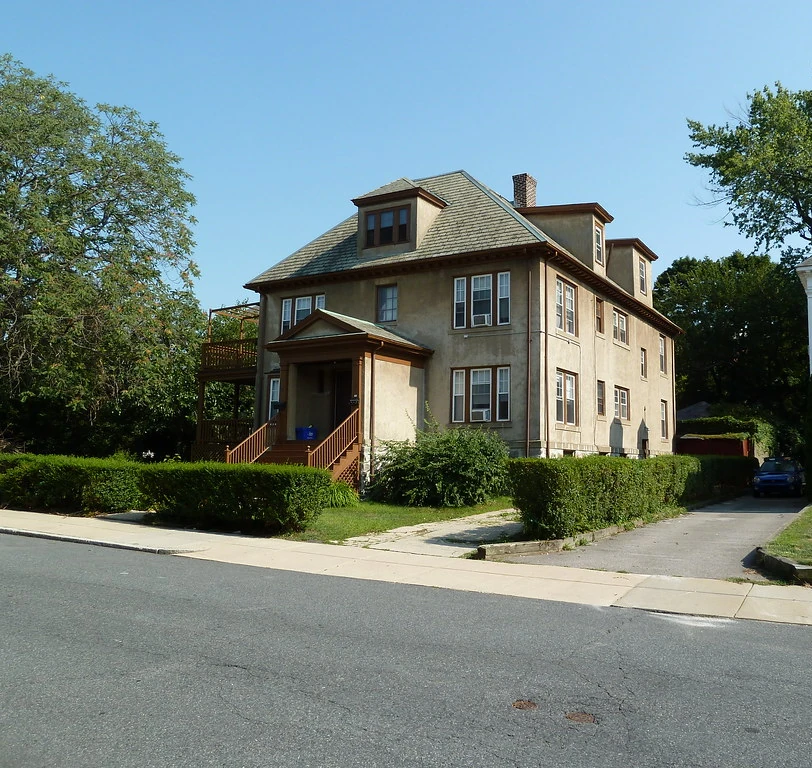
Two 9 foot parking spaces side by side make 18 feet. New Jersey's site standards go a step further for a two-car garage: they count it with its driveway as 3.5 parking spaces only when the driveway gives at least 20 feet of width for at least 18 feet of length. If you are paving in front of a two-car garage, 20 feet is the number to plan around, where your town allows it.
- Nutley allows up to 18 feet in the front yard on lots wider than 50 feet that conform to its § 700-48, and up to 16 feet on lots 50 feet wide or less. The 16 foot cap is narrower than two 9 foot parking spaces.
- Teaneck allows up to 20 feet to a garage or parking for two or more cars at a one-family home.
- East Hanover allows up to 22 feet, or on a lot with 75 feet or more of frontage, 30% of the frontage up to 30 feet.
A bigger garage does not lift those caps. East Hanover limits front-loaded garages to two vehicles and any garage to three, and its width limit applies at every point from the street to the garage or turnaround.
What Three North Jersey Towns Allow
On a local street, the width limit is in your town's code. Each entry reports only what the linked section says. Every code was read on November 27, 2026. Ordinances change, so confirm with the zoning or engineering office before you sign a contract.
Nutley (Essex County)
- Driveway width
- Front-yard driveways at one- and two-family homes: up to 16 ft on lots up to 50 ft wide, and up to 18 ft on wider lots that conform to § 700-48.
- Curb cut at the street
- Up to 16 ft in the R-1, R-1A, R1-AA, R-2 and R-3 districts, or 18 ft where an 18 ft driveway is permitted. Up to 24 ft in all other districts.
- Also in the code
- One driveway and one curb cut per property. With no garage and no available side yard, a driveway up to 16 ft wide measured from the side lot line. A six-inch curb separates a driveway from a walkway or sidewalk connected to it.
- Source
- Nutley Code § 700-94A
Teaneck (Bergen County)
- Driveway width
- One-family homes in residential zones: up to 12 ft to a one-car garage or a single parking space, and up to 20 ft to a garage or parking for two or more cars.
- Curb cut at the street
- Up to 12 ft for a 12 ft driveway and up to 20 ft for a 20 ft driveway.
- Also in the code
- One driveway and one curb cut per property in residential zones. The driveway stays at least 5 ft clear of the extended side property lines and at least 25 ft from the point of intersection on a corner. Lowering the curb or changing the sidewalk grade for a driveway needs a permit from the Township Engineer, and the part that crosses the sidewalk strip is portland cement concrete.
East Hanover (Morris County)
- Driveway width
- Single-family homes: up to 22 ft. On lots with 75 ft or more of frontage, 30% of the frontage or 30 ft, whichever is less.
- Curb cut at the street
- Not set in the section read.
- Also in the code
- The width limit applies at any point from the street to the garage or turnaround. Driveways stay at least 4 ft from an adjoining property line. Impervious cover between the front wall of the house and the front property line is capped at 40% of that area.
Seven more towns (Union Township, Clifton, Montclair, West Orange, Millburn, Orange and South Orange) are covered in our driveway extension cost guide, with their coverage and width rules and what it costs to add width.
Where the Driveway Meets the Street
Towns set the opening in the curb separately from the driveway behind it. Teaneck matches the curb cut to the driveway, 12 or 20 feet. Nutley allows 16 feet in its main residential districts, or 18 feet where an 18 foot driveway is permitted, and one curb cut per property. In Teaneck, lowering the curb or changing the sidewalk grade for a driveway needs a permit from the Township Engineer.
For who pays for the apron, what it is made of and which permits apply, see our driveway apron guide for New Jersey.
If Your Lot Fronts a State Highway
A driveway onto a State highway falls under NJDOT's State Highway Access Management Code. Its numbers for a single-family lot:
- Driveway width: 8 to 26 feet.
- Curbline opening: 12 to 30 feet.
- Edge clearance: at least 12 feet, measured along the curb from the extended lot line to the start of the curbline opening.
- Corner clearance: at least 12 feet between the curb return of an intersecting street and the start of the driveway's curb return or depressed curb.
- Grade: no more than 4 percent within 25 feet of the curbline.
- The driveway as built may differ from the width in the permit by up to 5 feet, as long as the maximum width and the code's other requirements are still met.
From Width to Square Feet
Paving is priced by area, so the width you choose sets the size of the job. Width times length gives square feet. These are arithmetic examples, not quotes.
| Driveway | Square feet |
|---|---|
| One car, 10 × 40 ft | 400 sq ft |
| Two cars side by side, 18 × 40 ft | 720 sq ft |
| Two cars side by side, 20 × 40 ft | 800 sq ft |
| The state's two-car minimum area, 20 × 18 ft | 360 sq ft |
Going from 18 to 20 feet on a 40 foot drive adds 80 square feet. For what that area costs in New Jersey, see our asphalt paving cost guide. For the layers under it, see how thick an asphalt driveway should be.
Questions From Homeowners
How wide is a standard one-car driveway?
The New Jersey Asphalt Pavement Association says a driveway for a single car should be at least 10 feet wide. New Jersey's Residential Site Improvement Standards size an off-street parking space at 9 feet wide, so 10 feet is one foot more than one parking space. Towns can cap the width: Teaneck allows up to 12 feet to a one-car garage or a single parking space.
How wide is a two-car driveway?
Two cars side by side need at least 18 feet, which is two 9 foot parking spaces under N.J.A.C. 5:21-4.15. The same state standards count a two-car garage and driveway as 3.5 parking spaces when the driveway gives at least 20 feet of width for at least 18 feet of length. The caps in the three town codes read for this guide: Nutley 16 feet on lots up to 50 feet wide and 18 feet on wider lots that conform to its § 700-48; Teaneck 20 feet to a garage or parking for two or more cars; East Hanover 22 feet, or on lots with 75 feet or more of frontage, 30% of the frontage up to 30 feet.
How wide can a driveway be where it meets the street?
That opening is the curb cut. Teaneck allows 12 feet for a 12 foot driveway and 20 feet for a 20 foot driveway. Nutley allows 16 feet in its R-1, R-1A, R1-AA, R-2 and R-3 districts, or 18 feet where an 18 foot driveway is permitted. On a State highway, NJDOT allows a residential curbline opening of 12 to 30 feet.
Do I need a permit to widen my driveway in New Jersey?
It depends on the town and on what changes. In Teaneck, lowering the curb or changing the sidewalk grade for a driveway needs a permit from the Township Engineer. A driveway onto a State highway falls under NJDOT's access code. Ask your town's zoning or engineering office before work starts, and see our driveway apron guide for the part between the sidewalk and the street.
Why do driveway width limits differ from town to town?
The state rules in this guide cover driveways onto State highways (8 to 26 feet for a home, N.J.A.C. 16:47-3.8) and parking space sizes for residential developments (N.J.A.C. 5:21). The width caps for a house on a local street in this guide come from each town's own code, which is why Nutley, Teaneck and East Hanover set different numbers.
Planning a New or Wider Driveway?
Randy Seal Coating & Striping paves driveways in Union, Essex, Passaic, Middlesex, Bergen and Morris counties. Ask us for a written estimate for the width you have in mind. Start with the driveway paving page, or send a note through the contact page.
Sources
Every source below was read on November 27, 2026.
- New Jersey Asphalt Pavement Association: Asphalt Pavement Design Guide (PDF), Residential Drives, Pavement Width
- N.J.A.C. 5:21-4.15, Residential Site Improvement Standards: Parking space size
- N.J.A.C. 5:21-4.14, Residential Site Improvement Standards: Parking, number of spaces (garage and driveway combinations)
- N.J.A.C. 16:47-3.8, State Highway Access Management Code: Access point control dimensions for streets and driveways
- Township of Nutley Code, Chapter 700, Article XIII (§ 700-94A)
- Township of Teaneck Code, Chapter 32, Article III (§ 32-35, § 32-35.1 and the rule on driveways across sidewalks)
- Township of East Hanover Code, Chapter 95 (§ 95-46E(2))
Photos: Spencer Lee Eiseman on Pexels, used under the Pexels license; jimcintosh and Thad Zajdowicz on Flickr, released under CC0 1.0.